
- English
- 日本語
- 한국어


Explore our top-tier private label makeup brushes engineered with vegan synthetic bristles, custom ferrules, and ergonomic handles for global beauty brands and importers.
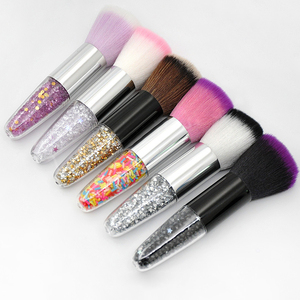
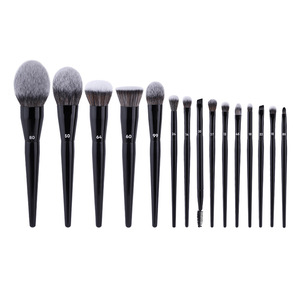
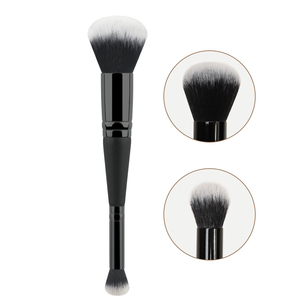
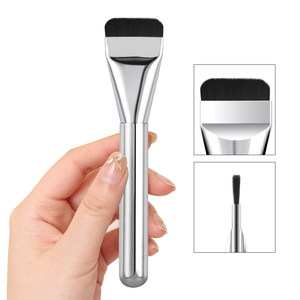
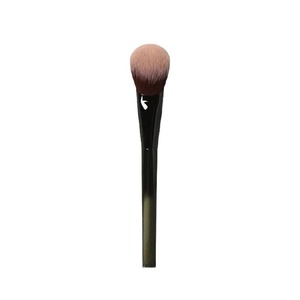
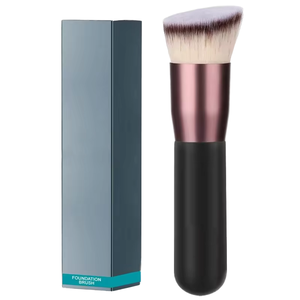
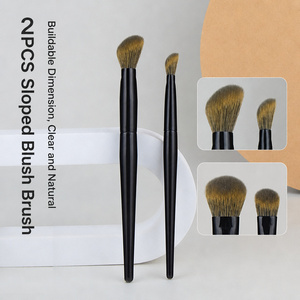
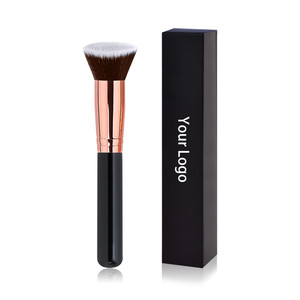
In the rapidly evolving global cosmetic sector, professional beauty applicators and brush cleaning sanitation systems represent a key growth vertical. As cosmetic formulas become increasingly complex—incorporating long-wear silicones, transfer-proof polymers, and high-pigment cream formulations—the requirement for specialized cosmetic brushes and effective brush cleaning technology has reached an all-time high. For international sourcing managers, brand owners, and beauty distributors, navigating China's wholesale brush cleaner and cosmetic tool manufacturing ecosystem requires a granular understanding of material science, structural engineering, and manufacturing compliance.
Leveraging over five decades of expertise established since 1973, our manufacturing framework bridges traditional Asian brush craftsmanship with automated, high-precision manufacturing. With headquarters root-level engineering in Seoul and massive, scalable production clusters across China, we deliver end-to-end OEM (Original Equipment Manufacturing) and ODM (Original Design Manufacturing) solutions. From custom micro-textured synthetic bristles to specialized electric spin brush cleaners and ultrasonic cleaning pads, our operations guarantee rigorous structural integrity, absolute sanitation compliance, and market-ready consumer appeal.
Key Takeaway for B2B Buyers: A makeup brush's longevity and performance rely 50% on fiber selection and tufting tension, and 50% on post-purchase maintenance tools. Integrating high-performance brush cleaners into your brand's product matrix reduces return rates and amplifies customer lifetime value (LTV).
Modern B2B procurement demands complete transparency across raw material sourcing, automated tufting precision, ferrule crimping strength, and toxicological safety certifications. Our operational model addresses these demands through stringent quality control protocols at every milestone of manufacture:
Cosmetic tool hygiene is no longer an afterthought; it is a critical wellness imperative. Residual foundation, skin sebum, dead skin cells, and microbial buildup on dirty makeup brushes lead to skin inflammation and compromise cosmetic application. Consequently, global buyers are seeking advanced cleaning accessories and integrated sanitation solutions alongside their brush production lines.
Electric high-torque rotation devices that clean and centrifuge-dry synthetic and natural hair brushes in under 30 seconds, eliminating moisture decay in ferrules.
Food-grade silicone cleansing pads featuring multi-zone textures (cross-hatch, micro-dots, ridges) designed to extract stubborn waterproof liquids without degrading filament tips.
Alcohol-free, quick-evaporating wash formulas enriched with conditioning botanicals that break down heavy oils while preserving synthetic filament elasticity.
As a leading China wholesale manufacturer, our R&D facilities produce both standard silicone wash bowls and fully customized electronic cleaning devices tailored to private label brand collections. By bundling professional brush sets with proprietary cleaning solutions, beauty brands create high-margin skincare-adjacent categories that resonate with modern consumers.
Regulatory shifts, vegan consumer demands, and sustainability mandates have fundamentally transformed cosmetic bristle production. Traditional animal hairs (squirrel, goat, sable) present high batch-to-batch variance and require intense chemical bleaching. In contrast, modern synthetic filaments utilize high-density PBT (Polybutylene Terephthalate) and PET micro-extrusion techniques to deliver superior softness, consistent pickup, and zero hair shedding.
| Performance Metric | Nature-Mimicking Synthetic PBT | Conventional Synthetic Fiber | Traditional Natural Goat/Squirrel |
|---|---|---|---|
| Formula Compatibility | Liquids, Creams, Powders & Gels | Primarily Powders & Thick Liquids | Powder Formulas Only |
| Hygiene & Cleanability | Ultra-High (Non-porous surfaces) | High | Low (Porous shaft retains bacteria) |
| Durability & Wash Life | 500+ Wash Cycles without deformation | 200+ Wash Cycles | 100+ Cycles (Fraying risk) |
| Cruelty-Free Certification | 100% Vegan & Leaping Bunny compliant | 100% Vegan | Non-Vegan |
| Chemical Resistance to Cleaners | Resistant to alcohol, oil & detergent wash | Moderate Resistance | Prone to dry rot and fiber snapping |
Our factory specializes in micro-wavy extrusion, creating miniature waves along the synthetic fiber shaft. This structural micro-texture allows powder particles to cling effectively to the bristle surface, mimicking natural cuticles while remaining 100% hypoallergenic, vegan, and easy to clean using standard brush washing pads.
Looking toward the next decade of cosmetic manufacturing, several macro-level shifts are redefining how global buyers select their factory partners in China and Korea. Sourcing executives must align their supply chains with these structural trends to maintain competitive advantage:
Brands are aggressively shifting from virgin plastic handles to Post-Consumer Recycled (PCR) resins, FSC-certified birch wood, bio-degradable PLA (Polylactic Acid), and lightweight recycled aluminum. Factory tooling now supports precision thermo-molding of eco-friendly materials without sacrificing structural balance or luxury hand-feel.
Consumer demand for travel-friendly, minimalist makeup routines has accelerated the demand for dual-ended brushes (e.g., foundation + concealer, or blush + highlighter combinations). Manufacturing these hybrid tools requires specialized ferrule balance engineering to ensure structural rigidity and comfortable handling during application.
Future brush cleaners are transitioning from basic manual scrub pads to compact desktop appliances featuring UV-C germicidal light (254nm wavelength) and gentle ultrasonic cavitation. These technologies sanitize brushes down to the ferrule base without immersing wooden handles in destructive water baths.
As seen in modern K-beauty innovations, brush head geometries have evolved beyond simple dome shapes. Sloped oblique angles, vase-shaped contours, flat kabuki tops, and pressed triangle edges enable targeted product placement that blends seamlessly around nose bridges and eye contours.
Partnering with a specialized China factory requires a structured development workflow. Our standard manufacturing roadmap ensures zero ambiguity from initial CAD modeling to global container loading:
Analysis of target cosmetic formula (viscosity, binder ratio), price positioning, handle aesthetics, ferrule finish, logo printing (laser, screen, hot stamping), and packaging design.
Physical sample creation within 7-10 days utilizing automated hair shaping molds and precision CNC-lathed handles for immediate buyer evaluation and formula testing.
Rigorous lab testing including 5kg pull-force shedding tests, 24-hour water immersion ferrule joint checks, colorfastness testing, and chemical durability verification against brush cleaners.
High-volume production with in-line visual inspection. Humidity-controlled drying rooms ensure handle wood moisture stays strictly under 8-12% to prevent cracking.
Final drop-test verification of retail cartons, barcoding, batch serialization, UV sterilization, and shipment fulfillment via FOB, CIF, or DDP global logistics.
Below are authoritative responses to common technical, logistics, and manufacturing inquiries encountered during B2B supplier audits for makeup brushes and brush cleaner systems.
Our standard factory MOQ for fully customized OEM makeup brushes (custom fiber colors, handle shapes, custom ferrule plating, and brand logos) ranges from 1,000 to 3,000 pieces per design model. For standard stock components with custom logo silk-screening, MOQ can be lowered to 500 pieces. For electronic brush cleaner devices or silicone cleaning mats, MOQs generally start at 1,000 units due to plastic injection molding run sizes.
Shedding prevention relies on a dual-phase bonding process. First, the base of the bundled bristle head is dipped into high-viscosity, epoxy-resin glue formulated to withstand alcohol and solvent exposure. Second, the ferrule undergoes high-pressure hydraulic mechanical crimping (often dual ring crimps) that compresses the metal wall into the glue matrix. Every batch undergoes mechanical tension pull-testing (up to 5kg) prior to secondary packaging.
Yes. Our manufacturing infrastructure includes dedicated plastic injection molding lines for food-grade silicone pads, textured bowls, and collapsible cleansing mats, alongside an electronics assembly wing producing rechargeable USB-C electric spin brush cleaners. We provide complete ODM design services including circuit board design, mold tooling, and battery safety compliance (UN38.3, MSDS, CE, RoHS).
For brands targeting strict eco-friendly positioning, we recommend FSC-certified birch or beech wood coated with non-toxic water-based lacquers. Alternative sustainable materials include post-consumer recycled (PCR) plastic resins, aluminum handles (which offer infinite recyclability), and bamboo. We help clients evaluate weight balance, durability, and cost-efficiency for each material choice.
To ensure total durability, sample batches are subjected to repeated 100+ cycle immersion tests using isopropyl alcohol solutions, oil-in-water brush cleansers, and harsh synthetic micellar waters. We monitor for ferrule detachment, handle lacquer bubbling, hair fiber stiffening, and dye bleeding. Only formulas passing 100% structural stability proceed to mass production.
OEM (Original Equipment Manufacturing) means we build brushes strictly according to your provided engineering drawings, tech packs, and material specifications. ODM (Original Design Manufacturing) means you select from our catalog of pre-engineered, patented, or ready-molded brush head geometries, unique ferrule designs, or cleaning devices, customization being limited to logo placement, colors, and outer packaging. ODM significantly reduces time-to-market and initial tooling investment.
Sample turnaround requires approximately 7 to 10 working days. Upon sample approval, deposit receipt, and artwork sign-off, standard mass production takes 30 to 45 calendar days. Complex sets involving custom aluminum tooling or specialized electronic brush cleaner components may require 45 to 50 days.
We welcome third-party factory audits (SGS, TÜV Rheinland, Bureau Veritas, Intertek) and provide full documentation support including ISO 9001/ISO 22716 certificates, REACH raw material test reports, Heavy Metal Free certifications, and SVHC candidate list screenings for European and North American customs clearance.