A Microfiber Cleansing Puff can give beauty and skincare businesses a practical product to offer alongside cleansers, masks, or travel kits. Its soft, compact fabric is designed for applying or removing products, depending on the puff’s construction and intended use. For customers, the appeal may be simple: a reusable-feeling tool that fits in a bathroom drawer and is easy to hold with damp hands. Small details matter.
For a business, the choice deserves more than a quick look at price. Check the fiber blend, dimensions, stitching, texture, and care instructions. Ask suppliers for samples, then test how the puff feels when wet and whether its shape holds after repeated washing. Results can vary by material and manufacturing quality. Not always obvious.
Clear product information also builds trust. Describe what the puff is designed to do, how customers should clean it, and when it may need replacing. Avoid promising that it suits every skin type or removes every product without cleanser. Those claims need reliable support. A thoughtful evaluation can help your team compare suppliers, plan packaging, and decide whether a Microfiber Cleansing Puff fits your customers and brand standards. The trade-off is real: a low unit cost may not be worthwhile if quality feels inconsistent. Good sourcing takes care.
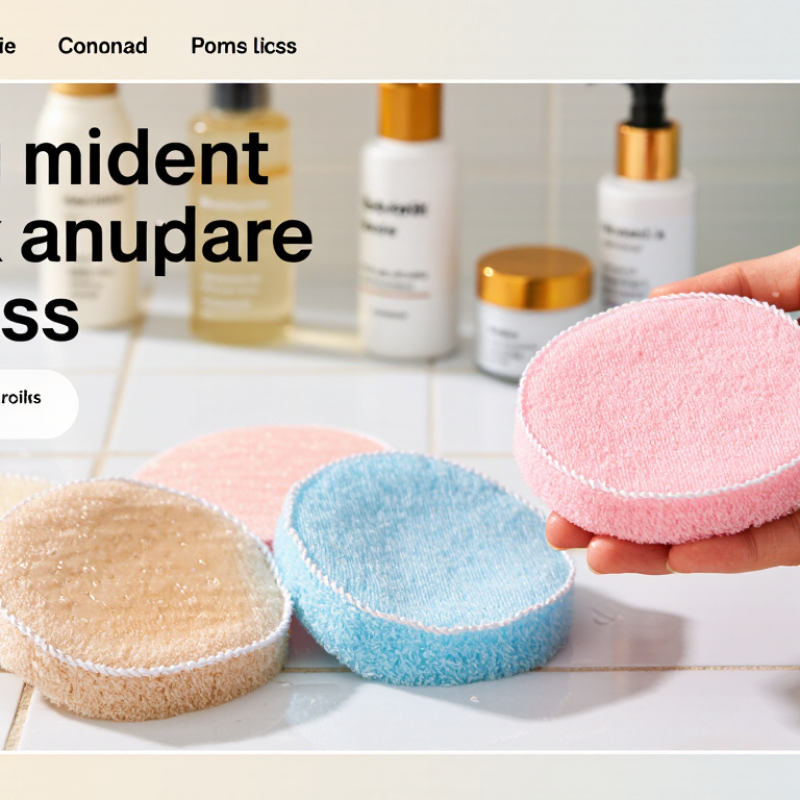
A microfiber cleansing puff is a soft textile applicator made from very fine filaments, commonly polyester or a polyester-polyamide blend. Its raised loops create a cushioned surface that holds cleanser and spreads it across the skin. Picture a palm-sized fabric pad that bends easily, unlike a rigid sponge. The exact feel depends on pile height, knit density, seams, and any inner filling. “Microfiber” alone does not define a single blend or guarantee a particular performance level. For business buyers, clear specifications matter.
Textile Exchange’s Materials Market Report 2024 estimates global fiber production reached 124 million tonnes in 2023, with polyester accounting for about 57 percent. This describes the wider textile market, not cleansing puffs specifically.
A sample test can reveal practical details: wet the puff, squeeze it, and check the seams and lint after washing. A bit awkward, perhaps. Still useful. IUCN’s 2017 report estimated that synthetic textiles contribute about 35 percent of primary microplastics entering the oceans. That estimate is broad, not puff-specific, but it makes care guidance and durability worth discussing.
Request fiber content, dimensions, colorfastness, and wash-life information when comparing products.
A microfiber cleansing puff relies on many fine fibers packed into a soft surface. Many versions use polyester and polyamide, though the exact blend varies by product. The dense texture helps spread cleanser and loosen everyday oil, sunscreen, and light makeup when used with water. Gentle pressure is enough. The fibers should glide over damp skin, not drag across it. That distinction matters, especially around the nose and other delicate areas.
Its rounded shape fits comfortably in the hand, while a stitched edge can help the puff keep its form through repeated use. Some designs include a hanging loop, making it easier to air-dry between washes. Small details count. A thick puff may feel plush, but it can also take longer to dry; a thinner one may be easier to rinse but less cushioned. There is no perfect balance for every user. Wash the puff regularly according to its care instructions, rinse out cleanser, and let it dry fully. A soft texture is useful, but it does not replace careful cleaning or suit every skin preference.
How fine are the fibers in its material?
Approximate fiber diameters: human hair, 70 μm; cotton, 16 μm (midpoint of a typical 12–20 μm range); and microfiber, about 10 μm or finer. The microfiber value represents the approximate diameter of a polyester filament at the common definition of less than 1 denier. Finer filaments can provide more fiber surface area for their mass, while a puff’s soft pile offers a practical surface for applying cleanser. Fiber diameter alone does not measure cleansing performance.
A microfiber cleansing puff can make a daily cleansing routine feel more controlled. Its fine fibers create a soft surface that helps loosen makeup, sunscreen, and everyday residue with water or cleanser. Customers can hold it comfortably and work around the nose, jaw, and hairline without a bulky cloth. Small details matter. Its compact shape also fits neatly beside a sink or inside a travel pouch. For businesses, the puff is an easy-to-explain item that pairs naturally with cleansers and skincare accessories. It is lightweight, simple to demonstrate, and suits customers who prefer a reusable tool over single-use pads. That can support a more considered product range, though it does not guarantee repeat purchases.
A good customer experience also depends on clear care guidance. Recommend washing the puff regularly and letting it dry fully between uses, while following its care label. That matters. A worn, stained, or persistently damp puff should be replaced rather than kept in rotation. Customers with reactive skin may prefer a gentle touch and a small-area test before using it across the face. Microfiber is not a perfect fit for everyone, and that honesty builds trust. Simple instructions help customers use the product comfortably and give staff practical answers to common questions.
A microfiber cleansing puff differs from cotton rounds, silicone pads, and washcloths in feel and daily handling. Its fine, soft fibers create a plush surface that can spread cleanser across the cheeks and around the nose. Cotton rounds are convenient for single-use routines, but require regular replenishment. Silicone pads rinse quickly and feel springy; they absorb little water, so cleanser may need more careful distribution. A washcloth is familiar and sturdy, though its larger size can feel awkward around the eyes. Small details matter. A damp puff can feel gentle, but pressure and skin sensitivity still affect comfort.
For business buyers, reusability comes with a care requirement: puffs need thorough rinsing and complete drying between uses. Textile Exchange’s 2024 Materials Market Report estimates that global fiber production reached 124 million tonnes in 2023; that figure describes the wider textile sector, not cleansing tools specifically. OECD’s 2022 Global Plastics Outlook reports 353 million tonnes of plastic waste in 2019, with 9% recycled. Those figures make material choice and product life worth considering, but they do not prove one puff has a lower footprint than a cotton round. Not always. Test samples with real users, record wash life, and check whether the texture stays soft after repeated laundering. Microfiber care takes effort, and a puff that is uncomfortable or poorly maintained may not earn repeat use.
A microfiber cleansing puff may look simple, but its feel and durability depend on its fabric, seams, and finishing. Textile Exchange’s Materials Market Report 2024 estimates that global fiber production reached 124 million tonnes in 2023, with polyester making up 57%. That scale makes clear material specifications essential; the figure alone does not indicate product quality. Ask suppliers for the fiber blend, fabric weight, dimensions, and batch identification. A polished sample can still hide batch variation.
Request test reports for colorfastness and seam strength, and ask how results are checked across production lots. ISO 105-C06 describes a method for testing colorfastness to domestic and commercial laundering. It is a useful reference, not a guarantee of performance. Also discuss shedding and abrasion testing, especially if the puff will be washed repeatedly. Supplier answers should be specific and documented. Vague assurances are a warning sign.
It is a soft, palm-sized textile pad made from very fine fibers. Raised loops hold cleanser and spread it across damp skin.
Many puffs use polyester or a polyester-polyamide blend. The exact fiber mix can vary, so check the product specifications.
Its soft surface can help loosen everyday oil, sunscreen, and light makeup with water or cleanser. Gentle pressure is enough.
Glide it over damp skin without dragging, especially around the nose and other delicate areas. A small-area test may help if your skin is reactive.
Check the puff’s size, pile, seams, and any hanging loop. A thick puff may feel plush but take longer to dry.
Rinse out cleanser, wash it regularly according to its care instructions, and let it dry fully. Small details count.
Replace it if it is worn, stained, or stays damp between uses. Keeping it in rotation may not be wise.
Not necessarily. Some people may prefer a cloth or another cleansing tool, and no texture suits every skin preference. There is no perfect balance for everyone.
A Microfiber Cleansing Puff is a soft, reusable tool designed to help remove makeup, oil, and everyday impurities from the skin. Its fine fibers and gentle texture can work with water or a suitable cleanser, while its shape makes it easy to hold and use around the face. Thoughtful construction, such as secure stitching and a comfortable surface, can support regular cleansing and care.
For businesses, this product may offer customers a practical alternative to disposable wipes and less gentle cleansing tools. When comparing options, consider softness, durability, ease of washing, drying time, packaging, and suitability for different customer needs. A reliable supplier should provide clear product specifications, consistent quality, and responsive communication. Choosing carefully can help businesses offer a useful, reusable cleansing accessory that balances customer comfort with everyday convenience.