China’s cosmetic manufacturing sector offers a wide range of Dual Sponge Applicator Brush suppliers. Their products serve foundation, concealer, contour, skincare, and travel makeup applications. However, supplier quality can differ sharply.
This guide examines ten potential Chinese suppliers through practical purchasing criteria. These include sponge density, brush softness, handle balance, adhesive strength, material safety, customization, minimum order quantity, and production consistency. A reliable supplier should provide clear specifications, sample testing, factory communication, and traceable quality documentation. Latex-free options may also matter for sensitive users.
Small details affect performance.
A sponge that feels soft in a sample may absorb too much liquid during mass production. A brush head may look polished but shed after repeated washing. These points require physical testing, not attractive catalog images. Cosmetic chemist Ginger King has said, “The applicator is an extension of the product.” That observation is useful because application directly influences coverage, comfort, and consumer confidence.
The suppliers discussed here should not be treated as an unquestionable ranking. Market information changes. Some factories specialize in private-label orders, while others perform better with large retail programs. Buyers should request current certifications, production photographs, inspection records, and independent samples before making commitments. Pricing also deserves caution. The lowest quotation may hide weaker fibers, inconsistent sponge cutting, or limited after-sales support.
This introduction provides a practical starting point. It also leaves room for doubt, because supplier performance must be verified directly. The best Dual Sponge Applicator Brush partner combines stable manufacturing, transparent communication, flexible development, and repeatable product quality.
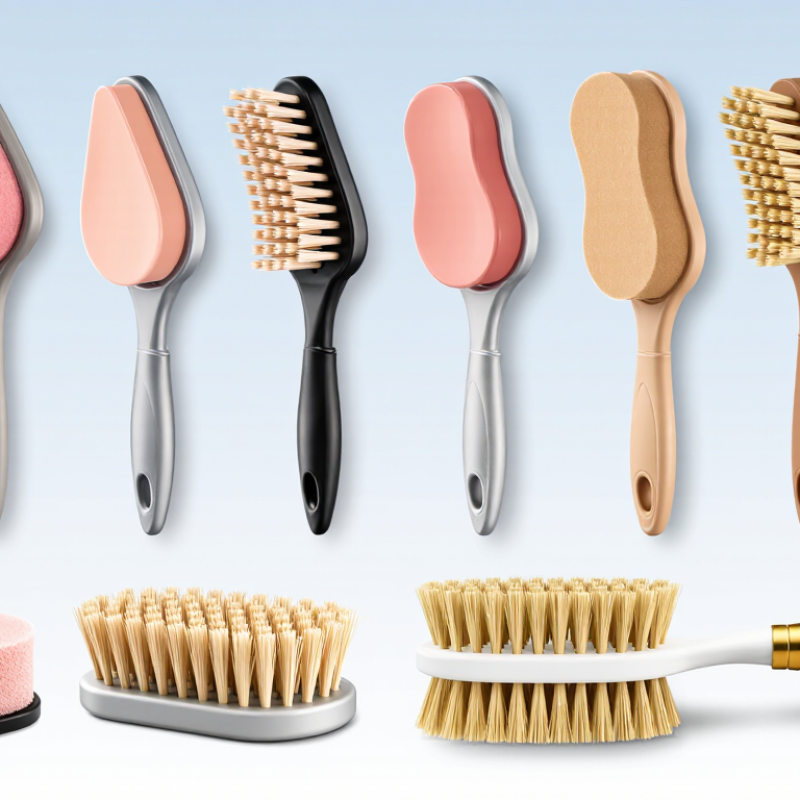
A dual sponge applicator brush is a cosmetic tool with two different sponge surfaces on one handle. One side may provide broad coverage, while the other supports blending around the nose, eyes, or hairline. The sponge textures can also vary. A denser surface spreads liquid products evenly, while a softer tip helps create a lighter finish. This design reduces tool changes during application and fits easily into a compact makeup kit.
When comparing suppliers, buyers should inspect the sponge material, handle connection, density, rebound, and edge quality. A reliable applicator should compress smoothly and recover its shape without leaving visible cracks. The handle must feel balanced, not loose or excessively light. For skin-contact products, suppliers should provide clear material information and suitable safety documentation. Batch samples matter because texture can change between production runs. A polished sample does not always represent consistent manufacturing.
In practical use, dampening the sponge may soften coverage, but too much water can weaken product control. Cleaning also requires care. Harsh rubbing may damage the surface faster than expected. I have found that “dual function” does not automatically mean better performance. The two sides must offer genuinely different application benefits. When evaluating the top ten suppliers, check sample consistency, packaging protection, production traceability, and communication speed. A supplier that explains limitations honestly often deserves more trust than one making perfect-sounding claims.
A dual sponge applicator brush combines two functional ends in one tool: a sponge tip for soft blending and controlled liquid or cream application, and a brush tip for powder placement, detail work, or more precise coverage. The chart shows the typical functional capabilities of each end using a simple 0–1 scale, where 1 means the feature is commonly associated with that applicator type.
When evaluating China’s dual sponge applicator brush suppliers, start with evidence, not polished catalogs.
McKinsey’s 2023 beauty industry report projects the global beauty market to reach about US$580 billion by 2027. That growth increases pressure on suppliers to deliver consistent tools, not attractive samples alone. Request three production samples from different batches. Check sponge rebound, edge cutting, handle balance, odor, and bristle shedding. Small defects become obvious after repeated blending.
Ask for factory audit records, material declarations, and batch traceability. A reliable supplier should explain sponge density, adhesive type, handle resin, and cleaning performance in plain language. ISO 22716 provides useful cosmetic GMP guidance, although it does not replace your own quality inspection. Use a written specification with tolerances for dimensions, weight, color, and bonding strength. Packaging deserves attention too. The World Bank’s Logistics Performance Index 2023 highlights how tracking and delivery reliability affect international supply chains. Ask for carton drop-test results, moisture protection, and shipment photos.
Price comparisons can mislead. A cheaper brush may use unstable foam or weaker adhesive. Yet expensive samples can fail during mass production. That risk is easy to underestimate. Conduct a pilot order before signing a long-term agreement. Record inspection results, customer feedback, and defect rates. I would also recheck claims after production; supplier documents are helpful, but they are not proof by themselves.
China’s top ten dual sponge applicator brush suppliers compete through material control, flexible production, and export experience. According to Grand View Research, the global cosmetics market reached about USD 446 billion in 2023. That growth supports demand for practical tools with two application surfaces. A dual design may combine a dense brush head with a soft sponge tip. Users can blend liquid foundation, cream blush, or concealer with fewer items.
A reliable supplier should show batch records, material specifications, and repeatable inspection results. Check sponge rebound, pore uniformity, brush shedding, handle bonding, and edge finishing. These details matter during daily use. China’s manufacturing advantage is not only lower cost. It also includes rapid sampling and broad access to synthetic fibers, polyurethane foam, and molded plastics. The China Chamber of Commerce for Import and Export of Light Industrial Products reports strong export activity in personal-care goods, but product quality still varies between factories.
A useful shortlist should compare annual capacity, minimum order quantity, packaging options, and defect-handling procedures. ISO 9001 certification can support process discipline, though it does not guarantee a perfect applicator. One weakness remains. Public “top ten” rankings rarely explain how suppliers test skin-contact components. That gap deserves attention. Price alone can mislead. A cheaper brush may shed early or absorb excessive product, increasing actual usage costs. Small pilot orders, third-party testing, and repeated wash tests provide stronger evidence than polished catalog photos.
Product Features, Customization, and Manufacturing Capabilities
China’s leading dual sponge applicator brush suppliers serve a beauty market demanding speed, hygiene, and controlled coverage. Grand View Research valued the global makeup market at USD 40.49 billion in 2023 and forecasts a 5.9% CAGR from 2024 to 2030. This growth encourages suppliers to improve material consistency, not merely appearance.
A dual applicator usually combines a soft sponge with a brush head or opposing sponge surfaces. The sponge may use hydrophilic polyurethane, latex-free foam, or flocked material. Important specifications include pore size, density, rebound speed, edge shape, and liquid absorption. A precise edge supports under-eye application, while a rounded side blends foundation across the cheeks. Handle balance matters too. Small details affect user control.
Customization can include color, hardness, handle geometry, surface texture, packaging, and private labeling. Better factories provide sample development, color matching, mold design, and batch testing. They may follow ISO 22716-based cosmetic good manufacturing practices, while checking odor, tensile strength, dimensional tolerance, and microbial safety. The FDA’s Modernization of Cosmetics Regulation Act also highlights the importance of documented safety processes in the United States. However, customization is not automatically an improvement. More pores may increase absorption and waste. That assumption needs testing. Suppliers should compare prototypes through repeatable application trials, stability checks, and user feedback before mass production.
Choosing among China’s top 10 dual sponge applicator brush suppliers requires more than comparing prices. Product consistency matters because users notice uneven blending, loose sponge edges, and shedding bristles quickly. McKinsey’s 2023 beauty industry analysis valued the global beauty market at about US$430 billion in 2022. It also projected nearly US$580 billion by 2027. This growth increases demand for dependable private-label tools.
Ask each supplier for material specifications, sample records, production capacity, and quality-control procedures. Check sponge density, handle strength, adhesive performance, and packaging durability. Suppliers following documented quality systems can provide better traceability. For cosmetic tools, request testing for odor, migration, and microbial cleanliness. ISO 22716 principles may also support stronger manufacturing controls. Do not accept attractive samples alone. A perfect sample can hide weak batch management.
Tips: Compare at least three samples from different production batches. Record application feel, cleaning resistance, dimensions, and defect rates. Review minimum order quantities and replacement policies before negotiating. Confirm whether the supplier can support small trial orders and later volume increases. Delivery reliability deserves a score, not a promise. A spreadsheet helps, but it cannot measure softness in your hand. I once underestimated packaging strength; transport damage erased the apparent savings. Suppliers should answer clearly, even when the answer is inconvenient. That is often a useful trust signal.
Request three samples from separate production batches. Compare rebound, edge cutting, handle balance, odor, and bristle shedding. Catalog photos are not enough.
Ask for sponge density, adhesive type, handle resin, and fiber composition. The supplier should explain them plainly. Vague answers deserve a second check.
Blend liquid or cream products repeatedly. Wash the applicator several times. Watch for slow rebound, loose bonding, shedding, and product absorption. Short tests can miss problems.
Request factory audit records, material declarations, batch traceability, and inspection results. These documents support decisions. They do not prove every shipment is perfect.
Use tolerances for dimensions, weight, color, and bonding strength. Include pore uniformity, edge finish, and shedding limits. Vague specifications create avoidable arguments.
Ask for carton drop-test results, moisture protection, and shipment photos. Check whether inner packaging protects sponge edges from deformation. Delivery reliability matters too.
Low-cost foam may rebound poorly or absorb too much product. Weak adhesive can fail after washing. Expensive samples may also fail during mass production. That risk is easy to underestimate.
Place a small pilot order before signing a long-term agreement. Record defect rates, inspection results, and user feedback. Recheck supplier claims after production. Mistakes still happen.
This guide introduces the Dual Sponge Applicator Brush, a practical tool designed to combine two sponge surfaces or application functions in one convenient product. It explains how the brush can support smooth, even application, improve workflow efficiency, and meet different user preferences across beauty, cleaning, craft, or other suitable industries. Readers will also learn which structural, material, performance, and safety factors should be considered when evaluating suppliers in China.
The article presents ten leading supplier types based on manufacturing experience, product consistency, customization support, quality control, production capacity, packaging options, and communication efficiency, without focusing on brand names. It also reviews common product features, private-label and design customization possibilities, sampling procedures, and manufacturing capabilities. Finally, the guide offers a practical framework for selecting the right supplier according to order volume, target market, budget, delivery expectations, quality requirements, and long-term cooperation goals.