
0%

Choosing Nature-Mimicking Synthetic Bristles is not just a question of softness. Buyers must compare tip shape, filament diameter, spring-back, shedding, and performance after repeated washing. A brush may feel silky on the first stroke, then lose its shape after several cleanings. Small details matter.

Grand View Research’s Cosmetic Brush Market report estimated the global market at about $1.1 billion in 2023 and projected continued growth. This figure covers cosmetic brushes broadly, not nature-mimicking filaments alone. It signals demand, but does not prove that a particular bristle performs well. Biomimicry Institute co-founder Janine Benyus describes the guiding idea as “the conscious emulation of life’s genius.” For brush buyers, that means asking which natural feature a filament imitates—and whether the design reproduces it in use.

Look closely at the tips. Compare how they pick up and release powder, glide across skin, and recover after bending. Ask suppliers for details on filament shape, material, and testing methods. Then check consistency across samples. Claims such as “natural feel” can be vague. And imitation is not the same as sustainability; synthetic fibers still require careful material and end-of-life evaluation. The following seven tips offer a practical way to assess the evidence, spot trade-offs, and choose bristles suited to the brush’s actual job.
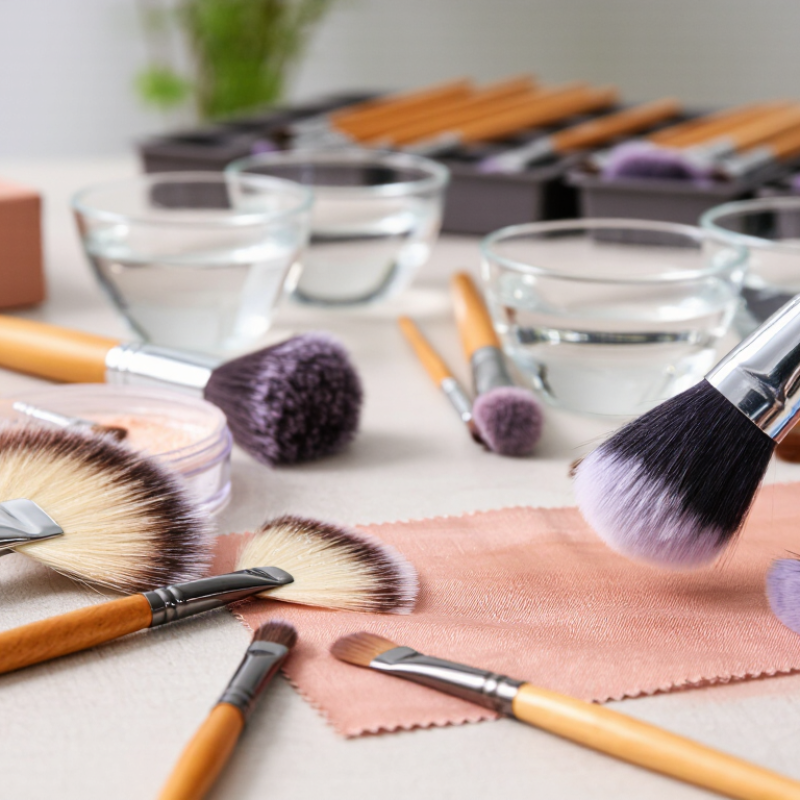
7 Tips for Buying Nature Mimicking Synthetic Bristles

Define the Intended Use and Brush Application

Before choosing nature-mimicking synthetic bristles, define the job: makeup blending, watercolor detailing, or household cleaning. Each needs a different balance of softness, spring, and liquid control. For a makeup brush, test the bristle tips against the cheek; a soft feel alone does not guarantee even blending. For fine painting, check whether the bundle returns to a point after bending. For cleaning, look for resilient fibers that release rinse water and debris easily. Test it damp, too.

Market figures offer context, not a buying specification. Cosmetics Europe reported European cosmetics and personal-care retail sales of €96 billion in 2023. Grand View Research estimated the global cosmetics market at US$374.18 billion that year. These figures describe broad markets, not brush demand or bristle performance. Still, they show why cosmetic application needs careful attention: a brush that spreads product unevenly can waste it. Match the fiber shape and bundle density to the material’s viscosity and the surface being touched. A market report cannot tell you how a brush feels in your hand. I sometimes focus too much on softness; that is a poor shortcut. Compare two samples with the same product, then inspect streaks, shedding, and cleanup.

Compare Synthetic Fibers by Natural-Bristle Feel

Nature-mimicking synthetic bristles should be judged by touch and performance, not by “natural” claims alone. Look for finely tapered tips, slight surface texture, and varied filament thickness. These features can create a softer first contact and help distribute liquid or powder more evenly. Smooth, blunt filaments may feel slick or springy instead. Feel the tip. Then sweep the brush across your wrist; notice whether it bends smoothly or scratches.

Textile Exchange’s Materials Market Report 2023 estimated global fiber production at 116 million tonnes in 2022. Its 2024 report put 2023 production at 124 million tonnes, with polyester accounting for 57 percent. These figures show synthetic fibers’ scale, not brush quality; fiber-market totals cannot predict softness. For a closer comparison, check the filament taper, cross-section, and recovery after gentle pressure. A convincing sample should fan out without forming stiff, separated spikes. This test is imperfect: hand feel changes with filament length, density, and the surface being brushed. Compare samples dry and slightly damp, and record what feels comfortable after several strokes—not just one.

Evaluate Bristle Shape, Firmness, and Density

A nature-mimicking filament should do more than look like animal hair. Check its taper under bright light: a fine point helps form a controlled line, while split or flagged ends can hold more paint and soften strokes. The shape should match the task. A broad, even bundle suits smooth coverage; a pointed bundle gives better control around trim and corners.

Firmness changes how the brush behaves on the surface. Press the dry bristles against your palm, then watch how quickly they spring back. They should bend without feeling brittle, and recover without staying splayed. For a quick test, draw a few strokes on scrap material. Too-soft filaments may drag; very stiff ones can leave ridges. Small differences matter.

Density affects paint pickup and release. Look for bristles packed evenly near the ferrule, without obvious gaps or loose strands. Grand View Research estimated the global paints and coatings market at about USD 179.98 billion in 2023, reflecting the scale of coating applications where consistent laydown matters. That figure does not tell you which brush to buy, though. Test the brush with your actual coating when possible; water-based paint and thicker finishes can behave differently. I still find visual inspection imperfect. A dense bundle can hide uneven filament lengths until the first wet stroke.

Check Durability, Care Needs, and Material Safety

When comparing nature-mimicking synthetic bristles, look beyond their soft, tapered feel. Gently bend a few bristles and check whether they return to shape. Examine the tips for uneven cuts, loose strands, or rough edges. Softness can mislead. A very fine tip may feel natural but wear quickly if the fibers are weak or densely packed. Check how the bristles are attached, too; gaps near the base can trap residue and encourage shedding.

Care needs affect durability. Read the cleaning instructions before buying, especially if the bristles will contact skin, food, or art materials. Some fibers tolerate warm water, while heat can deform others. Use a mild cleaner when appropriate, rinse thoroughly, and let the item dry fully before storing it. Don’t leave it soaking. A damp bundle tucked into a closed case can hold odors and moisture longer than expected. That detail is easy to overlook.

Material safety depends on the product’s intended use, not just its “synthetic” label. Check the material description and any relevant safety or testing information from the seller. For skin-contact products, look for clear guidance on irritation testing and discontinue use if redness or discomfort develops. A strong chemical smell is not proof of danger, but it is a fair reason to ask questions. Packaging may sound reassuring; specific material details are more useful.

Compare Product Specifications and Overall Value

When comparing nature-mimicking synthetic bristles, look beyond a product’s “natural feel” description. Check bristle diameter, taper, length, and stiffness; these details affect softness, spread, and control. A finer taper may feel gentler, while thicker fibers can hold their shape during repeated use. See whether the material is clearly specified and whether testing methods are explained. Vague claims are not useful. Compare samples if possible.

Read specifications alongside user feedback, but treat both with care. Reviews may mention shedding, uneven tips, or a handle that feels awkward after several minutes. Still, one person’s ideal softness may mean too little control for someone else. Check cleaning guidance, expected durability, and replacement costs, then compare the price with how long the bristles are likely to perform well. A low price may not be good value if they flatten quickly. A higher price alone proves nothing. If samples are unavailable, a small set can limit waste when the texture disappoints. It may feel overly cautious, but that trade-off is worth considering. Aim for clear specifications, consistent construction, and a feel suited to the task—not the most persuasive description.

FAQS

How should I choose synthetic bristles for a specific task?

Match the brush to its job. Makeup, watercolor, and cleaning need different softness, spring, and liquid control.

Does a soft brush always blend makeup evenly?

No. Test it with the product on your skin, then look for streaks or uneven coverage. Softness alone can mislead.

How can I test a brush for fine painting?

Bend the bristle bundle gently. It should return to a neat point without staying bent.

What should I look for in a cleaning brush?

Choose resilient fibers that release rinse water and debris easily. Test the brush while damp, too.

How can synthetic bristles feel more like natural bristles?

Look for finely tapered tips, slight surface texture, and varied filament thickness. Sweep the brush across your wrist.

What does a good bristle bundle look like after gentle pressure?

It should fan out without forming stiff, separated spikes. Check its recovery after several strokes.

Should I compare samples dry or damp?

Try both. A brush can feel different when damp, and one quick stroke may not tell you much.

Do market figures help predict brush quality?

Not really. Broad fiber or cosmetics figures do not measure softness, shedding, or performance. I can still overvalue softness; that shortcut needs reconsidering.

Conclusion

Choosing Nature-Mimicking Synthetic Bristles begins with understanding how and where the brush will be used. Consider the application, the desired feel, and whether the fibers should imitate the softness, spring, or texture of natural bristles. Compare fiber types, then assess bristle shape, firmness, and density to find a brush that offers suitable control, coverage, and comfort for the task.

Before buying, check how well the bristles are likely to hold their shape with regular use and what care they require. Review material and safety information, along with practical specifications such as brush size and construction. Finally, compare these details with the price to judge overall value. A thoughtful choice balances performance, durability, ease of care, and cost rather than relying on appearance alone.

Amelia

Amelia

Amelia is a professional marketing specialist dedicated to helping customers better understand innovative products, practical solutions, and the value they can bring to everyday business operations. With a strong understanding of the company’s product portfolio, market trends, and customer needs,......