
0%

Choosing a Spatula Foundation Brush in 2026 is about more than following a beauty trend. The right brush should spread foundation smoothly, reach around the nose, and feel comfortable against your skin. A flat, flexible head can help apply thin layers, while a sturdy handle offers better control near the jawline. Small details matter.

This guide looks at the features worth checking before you buy, including blade shape, material, flexibility, grip, and ease of cleaning. It also explains how different designs may suit liquid, cream, or thicker foundations. No single brush works perfectly for everyone. Skin sensitivity, preferred coverage, and application habits can change the experience, so treat product claims as a starting point rather than a guarantee. That distinction is easy to miss.

We’ll also cover practical signs of quality, such as smooth edges, a securely attached head, and a surface that rinses clean without trapping visible residue. If possible, compare dimensions and care instructions instead of relying on product photos alone; pictures can make a compact brush look larger than it is. The recommendations focus on useful selection criteria, not hype. A little uncertainty remains, because comfort and finish are personal. With a few careful checks, you can choose a Spatula Foundation Brush that fits your routine and helps you apply foundation with greater control.
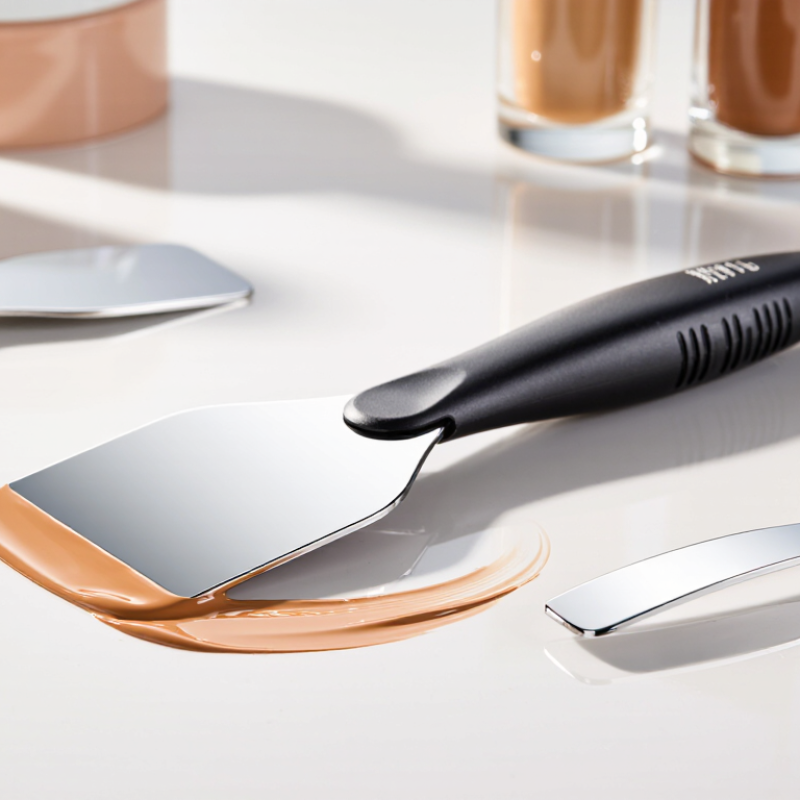
How to Choose the Best Spatula Foundation Brush in 2026

What a Spatula Foundation Brush Is and How It Works

A spatula foundation brush has a slim, flat, paddle-shaped head. Depending on its design, the head may use tightly packed synthetic bristles or a smooth applicator surface. Its broad edge picks up a small amount of liquid or cream foundation, then skims it across the skin in thin strokes. This can help place product around the nose, between the brows, and along the jaw without depositing a thick stripe. Thin, then blend. Use gentle pressure; dragging hard can leave streaks or irritate sensitive skin. A spatula-shaped head spreads foundation, but it does not automatically blend it. Tap or buff afterward with a clean brush or sponge, especially around the hairline.

Cleanliness matters. A 2019 Journal of Applied Microbiology study by Aston University researchers reported that 93% of surveyed beauty-blender users had never cleaned their tool. That finding concerns sponges, not spatula brushes, so it cannot measure this brush’s hygiene or performance. Still, it underlines a practical point: product residue and damp storage deserve attention. Wash reusable heads according to their material and let them dry fully before storage. Not foolproof. Some foundation formulas catch in dense bristles, while smooth surfaces may spread product unevenly on textured skin. Try a small amount first, and check the finish in natural light.

Which Brush Features Matter for Foundation Application

A spatula foundation brush should spread liquid foundation in a thin, even layer without dragging the skin. Look for a slim, slightly flexible head with a flat face and a softly rounded edge. The broad surface covers the cheeks and forehead, while the edge reaches beside the nose. Too rigid, and the brush can feel scratchy; too floppy, and it may leave uneven coverage. Small details matter.

Bristle density affects both finish and control. Moderately dense, soft synthetic bristles can smooth foundation without soaking up too much product. If the bristles are packed too tightly, blending around the nostrils may feel awkward. A secure ferrule helps prevent shedding, while a balanced handle gives steadier control during short strokes. Check that the brush is easy to wash and dries fully; trapped product can build up between bristles.

Test the brush on clean skin with a small amount of foundation. Sweep from the center of the face outward, then inspect the jawline in daylight. The surface should look smooth, not streaky. I sometimes find that a brush that feels soft on my hand still tugs near dry patches, so comfort is worth checking on your face. If you have sensitive skin, use light pressure and clean the brush regularly.

How to Compare Brush Materials, Shape, and Build Quality

A spatula foundation brush should spread product in a thin, even film, not leave ridges. Compare synthetic and natural fibers by feel and cleanup. Smooth synthetic fibers, such as nylon or PBT, are often practical with liquid foundation because they absorb less product and rinse clean more easily. Natural hair can feel soft, but its texture and care needs vary. Check the edges. A flat, softly rounded head reaches beside the nose; tapered corners can help around the eyes. Press the brush against your hand. It should flex, then return without scratchy drag.

Build quality matters as much as shape. Look for tightly packed fibers, a ferrule with no visible gaps, and a handle that feels balanced when held near its end. Gently tug a few fibers; noticeable shedding is a warning, though one loose strand alone proves little. Cleanability deserves attention: residue trapped at the ferrule can prolong drying.

Grand View Research estimated the global cosmetics market at USD 262.21 billion in 2022, with projected 4.2% annual growth from 2023 to 2030.

That figure describes cosmetics overall, not brush performance, so treat it as market context—not a quality score. I still find handle weight oddly personal; a heavier brush can feel steadier, but tiring during a longer routine. Test the brush with your own foundation, since a showroom swipe may hide streaks.

How to Assess Coverage, Finish, and Ease of Cleaning

When choosing a spatula foundation brush, test coverage on the cheek and around the nose, where pores and fine lines reveal streaks. Spread a small amount of foundation in thin layers. A dense, flexible head can lay down product quickly, while a softer edge may help soften visible brush marks. Check the finish in daylight, not only under bright store lighting. Matte, natural, and dewy results depend on both the foundation and the amount applied, so one test cannot tell the whole story. Circana’s 2023 U.S. prestige beauty report recorded $31.7 billion in sales, with makeup sales rising 9%. That growth makes tool choice more visible, but it does not prove any brush performs better.

Tips: Rinse the bristles after use. Use lukewarm water and mild cleanser, keeping water away from the ferrule. Press the brush into a clean towel and dry it flat. Look for a smooth ferrule with no trapped product. Less residue means easier upkeep. A brush that cleans quickly is more likely to get cleaned regularly. Still, no design makes cleaning effortless; foundation can cling near the base. Check for shedding, rough edges, and lingering odor after washing. If the brush takes too long to dry, that may matter more than its polished appearance.

How to Match a Brush to Your Skin and Makeup Routine

A spatula foundation brush should suit both your skin and the way you apply makeup. For dry or flaky areas, choose a soft, flexible head that glides without tugging. If your skin is oily or you prefer fuller coverage, a denser brush can press product evenly around the nose and chin. For quick mornings, a medium-sized head may cover the cheeks faster than a narrow one. Check that the handle feels steady in your hand; a slippery grip can make careful blending harder.

Tips: Test the brush on your jaw or cheek with a small amount of foundation. Use light, short strokes, then soften visible edges with gentle tapping. Clean it regularly and let it dry fully. Small details matter.

Match the brush shape to your routine, not just the finish shown in a photo. A flat spatula style can spread a thin layer quickly, while a rounded edge may help blend around the nostrils. If your skin reacts easily, choose soft bristles and avoid pressing hard. I’ve found that even a good brush can leave streaks when overloaded, and I still sometimes use too much product. Start with less, add only where needed, and check the result in natural light.

FAQS

What should a spatula foundation brush do?

It should spread foundation in a thin, even layer without leaving ridges. Test it with your own product.

Are synthetic or natural fibers easier to clean?

Smooth synthetic fibers often absorb less liquid foundation and rinse clean more easily. Natural hair can feel soft, but care needs vary.

Which brush shape works around the nose and eyes?

A flat, softly rounded head can reach beside the nose. Tapered corners may help near the eyes.

How can I check a brush’s build quality?

Look for tightly packed fibers, a ferrule without visible gaps, and a balanced handle. Gently tug a few fibers. Noticeable shedding is a warning.

What brush suits dry or flaky skin?

Choose a soft, flexible head that glides without tugging. Use light strokes and avoid pressing hard.

What brush may suit oily skin or fuller coverage?

A denser head can press product evenly around the nose and chin. Start with a small amount.

How can I reduce visible streaks?

Apply light, short strokes, then soften edges with gentle tapping. Check the finish in natural light. Less is safer.

Why does cleanability matter?

Residue near the ferrule can make a brush take longer to dry. Clean it regularly and let it dry fully. I still sometimes use too much foundation.

Conclusion

Choosing the best Spatula Foundation Brush in 2026 starts with understanding how its flat, spatula-like head spreads foundation in a thin, even layer. The right brush should feel comfortable to hold and give you control around the nose, eyes, and other curved areas. Consider the bristle material, density, shape, and overall construction, since these affect how smoothly the brush applies product and how well it holds up with regular use.

Think about the coverage and finish you prefer: a thin, natural layer or a more buildable application. A brush that is easy to clean can also make daily use simpler and help it stay in good condition. Finally, match the brush to your skin type, foundation formula, and routine. A considered choice can make application more precise, comfortable, and consistent.

Charlotte

Charlotte

Charlotte is a dedicated marketing professional with a strong understanding of the company’s products, customers, and industry landscape. With a thoughtful, research-driven approach, she transforms complex product information into clear, practical, and engaging content that helps readers make......